


Imagine this: You’re lounging on your couch, enjoying a quiet evening when your feline friend leaps onto your lap. As you reach out to pet them, you feel a sharp sting—another cat scratch. While these minor injuries may seem like an inevitable part of cat ownership, there are effective ways to protect your skin from these pesky scratches.
Understanding the Problem: Why Do Cats Scratch?
Before diving into solutions, it’s worth mentioning why cats scratch in the first place. Scratching is a natural behavior for cats, serving multiple purposes:
- Marking Territory: Cats have scent glands in their paws, so scratching leaves both a visual and olfactory mark.
- Exercise: Scratching helps cats stretch their muscles and keep their claws sharp.
- Stress Relief: Scratching can be a way for cats to release pent-up energy or stress.
Interestingly enough, studies show that understanding these behaviors can help in mitigating the risk of scratches.
Strategies to Prevent Cat Scratches

1. Regular Nail Trimming
One of the simplest ways to minimize the damage from cat scratches is by keeping their nails trimmed. Picture this: blunt nails are less likely to cause deep scratches compared to sharp ones.

- How to Trim: Use a specialized cat nail trimmer and ensure you only cut the tip of the nail to avoid hitting the quick, which can cause pain and bleeding.
- Frequency: Trim your cat’s nails every 1-2 weeks.
2. Provide Scratching Alternatives
If you’re like me, you’ve probably noticed that cats prefer certain surfaces for scratching. By offering suitable alternatives, you can protect your furniture and your skin.

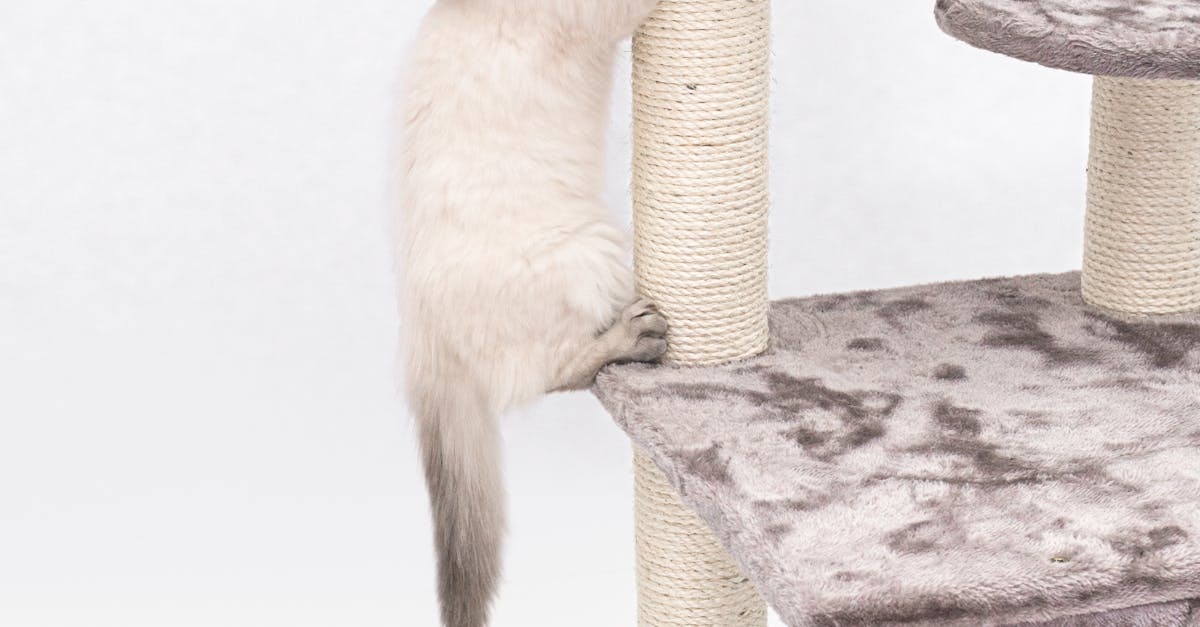
- Scratching Posts: Place scratching posts in areas where your cat likes to scratch.
- Variety: Provide different types of scratching materials like sisal, cardboard, and carpet to see which your cat prefers.
3. Use Soft Paws
Soft Paws are vinyl nail caps that can be glued onto your cat’s claws. These caps are safe and prevent your cat from causing scratches.

- Application: Apply the caps every 4-6 weeks. Most cats tolerate them well after the initial adjustment period.
- Availability: They come in various sizes and colors, making them a practical and stylish solution.
4. Behavioral Training
Training your cat to avoid scratching people can be effective. It reminds me of how consistency and patience can go a long way in modifying behavior.

- Positive Reinforcement: Reward your cat with treats or praise when they use their scratching post.
- Redirection: If your cat starts to scratch you, gently redirect them to an appropriate scratching surface.
5. Protective Clothing
If you’re prone to cat scratches, wearing protective clothing can be a quick fix. Long sleeves and pants can act as a barrier between your skin and your cat’s claws.

- Specialty Products: There are even specialized gloves and arm protectors designed for handling cats.
The Role of Health and Environment
1. Regular Vet Check-ups
It’s common knowledge that a healthy cat is a happier cat. Regular vet check-ups can help identify any underlying health issues that might cause your cat to scratch excessively.
- Health Issues: Conditions like skin allergies or arthritis can make cats more irritable and prone to scratching.
- Vaccinations: Ensure your cat is up-to-date on vaccinations to prevent infections from scratches.
2. Stress Management
Stress can be a significant factor in why cats scratch. From my point of view, creating a calm environment can reduce stress-related scratching.

- Safe Spaces: Provide hiding spots and high perches where your cat can retreat.
- Routine: Maintain a consistent routine to help your cat feel secure.
What to Do If You Get Scratched
1. Immediate Care
If you do get scratched, prompt care can prevent infections.

- Clean the Wound: Wash the scratch with soap and water.
- Disinfect: Apply an antiseptic to the area.
- Bandage: Cover the scratch with a sterile bandage if necessary.
2. Monitor for Infections
Keep an eye on the scratch for signs of infection, such as redness, swelling, or pus. If you notice any of these symptoms, seek medical advice.

3. When to See a Doctor
In some cases, a cat scratch can lead to more severe conditions like Cat Scratch Fever, caused by the bacteria Bartonella henselae.

- Symptoms: Fever, headache, fatigue, and swollen lymph nodes.
- Treatment: Antibiotics may be required, so consult a healthcare professional if you experience these symptoms.
The Benefits of Preventing Cat Scratches
1. Health and Safety
Preventing cat scratches is not just about avoiding minor injuries. It’s clear that it also protects against potential infections and complications.

2. Improved Relationship
By reducing the instances of scratching, you can foster a more positive relationship with your cat. A scratch-free interaction is more enjoyable for both you and your feline friend.
3. Enhanced Quality of Life

Both you and your cat will benefit from a more harmonious living environment. Less stress and fewer injuries contribute to a better quality of life.
Take Action Now
If you’re like me, you want the best for your furry friend while also protecting yourself. Implement these strategies to minimize the risk of cat scratches and enjoy a more peaceful coexistence with your pet.

- Start Trimming: Make nail trimming a regular part of your routine.
- Invest in Scratching Posts: Provide ample alternatives for your cat to scratch.
- Consider Soft Paws: Use nail caps for added protection.
- Train Your Cat: Use positive reinforcement to encourage good behavior.
- Wear Protective Clothing: Especially during playtime or grooming sessions.
By taking these steps, you can create a safer and more enjoyable environment for both you and your cat. Remember, it’s all about understanding your cat’s needs and behaviors to find the best solutions.
If you have any tips or experiences to share, feel free to leave a comment below. Let’s create a community where we can all learn from each other’s experiences and enjoy a scratch-free life with our beloved cats. 🐱❤️