



Protecting Your Chickens Year-Round 🐔
Raising backyard chickens is both a rewarding and practical endeavor. However, with the changing seasons comes a variety of weather challenges that can impact your flock’s health and productivity. Weatherproofing your chicken coop not only ensures the safety and comfort of your birds but also improves their overall well-being.
The Importance of Weatherproofing Your Coop
Why is weatherproofing your chicken coop so crucial? The answer lies in the fundamental need to protect your chickens from harsh elements—freezing winters, scorching summers, heavy rains, and strong winds. The primary goal is to create a stable environment, where temperature fluctuations and humidity levels are minimized. Consistent, comfortable living conditions contribute to healthier birds, better egg production, and ultimately, a more successful poultry-keeping experience.
Understanding the Challenges: A Seasonal Breakdown
Different seasons present distinct challenges that require strategic weatherproofing approaches. Let’s break this down to understand better how you can effectively weatherproof your chicken coop throughout the year.
Winter: Combat the Cold ❄️

Winter can be particularly harsh on chickens, especially in colder regions. They need protection not just from the freezing temperatures, but also from issues like frostbite and hypothermia.
- Insulation: A well-insulated coop helps retain heat. Materials like foam boards, straw, or hay bales can be excellent insulators.
- Ventilation: Proper ventilation is crucial to prevent the buildup of moisture, which can lead to respiratory problems. Roof vents or side openings, covered with mesh to deter predators, will serve this purpose.
- Heating: Use safe heating elements, such as a heat lamp or an electric heater specifically designed for coops. Always ensure that heating devices are securely installed to prevent fire hazards.
Summer: Beat the Heat ☀️

High temperatures can stress your chickens, reduce egg production, and even result in heatstroke.
- Shade: Ensure your coop is shaded, either naturally by trees or with the help of artificial shade cloth.
- Cooling: Good ventilation is critical. Install extra windows or vents, and use fans to circulate air.
- Hydration: Always provide fresh water. Consider using waterers that keep water cool and clean, such as nipple waterers or gravity waterers.
Rainy Season: Stay Dry 🌧️
Rain can introduce moisture problems in the coop, potentially leading to mold, mildew, and other health issues.
- Waterproofing: Use weatherproof materials like treated wood or vinyl siding to build or modify your coop. Apply a waterproof sealant to prevent water ingress.
- Elevation: Elevating the coop off the ground can prevent water from seeping in during heavy rains.
Practical Weatherproofing Strategies
Now that we have identified the seasonal challenges, let’s delve into the practical strategies for weatherproofing your chicken coop effectively.
Insulate to Regulate Temperature and Humidity
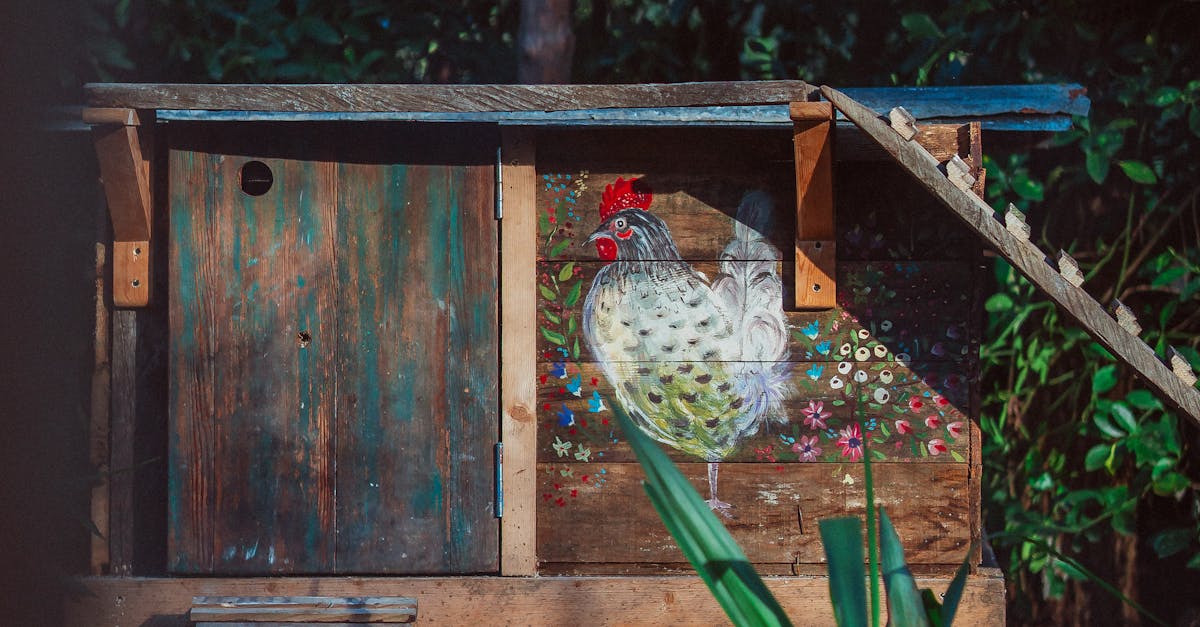
A well-insulated chicken coop is crucial for maintaining a stable temperature and humidity level.
- Materials: Use non-toxic, safe insulation materials like polystyrene, rigid foam insulation, or even recycled paper insulation.
- Installation: Wall and roof lining with insulation boards, followed by an interior layer of plywood, can create a barrier against the cold and heat.
- Flooring: Insulate the floor using rubber mats or deep bedding like straw. Deep bedding not only provides insulation but also absorbs moisture and odors.
Ensure Proper Ventilation

Ventilation is an often overlooked but essential aspect of weatherproofing.
- Vent Placement: Place vents higher on the walls to allow warm, moist air to escape without creating drafts at bird level.
- Screens: Cover vents with wire mesh or hardware cloth to keep out predators while allowing fresh air to circulate.
- Maintenance: Regularly check and clean vents to remove obstructions like dust or cobwebs, ensuring consistent air flow.
Waterproof the Exterior
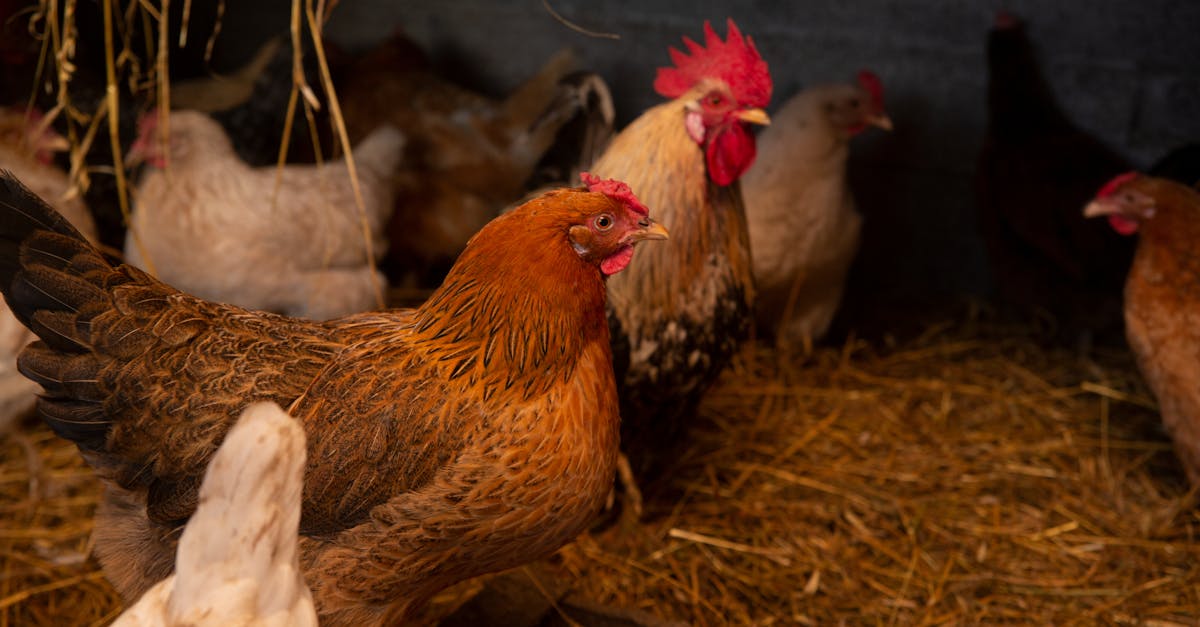
Keeping the exterior of your coop waterproof is essential, especially in regions with heavy rainfall or snowfall.
- Roofing: Choose durable, waterproof roofing materials like metal sheets, asphalt shingles, or clear polycarbonate panels. Ensure the roof has a decent pitch to allow water run-off.
- Siding: Use treated lumber or vinyl siding, both of which resist moisture and decay. Apply a waterproof sealant for extra protection.
- Foundation: Elevate the coop on stilts or a concrete base to prevent ground moisture from seeping in. This also improves drainage around the coop.
Heating Solutions for Cold Weather

Heating a chicken coop during winter, if done safely, can prevent issues like frostbite and ensure your birds remain comfortable.
- Heat Lamps: Invest in high-quality heat lamps with safety features to prevent accidental fires. Use secure mounts and protective covers.
- Ceramic Heaters: These offer a safer alternative to heat lamps, providing warmth without light, reducing stress on the birds.
- Compost Heaters: Create a compost pile inside your coop that generates natural heat as it breaks down, serving as an eco-friendly heating solution.
Cooling Solutions for Hot Weather

Preventing overheating is crucial, especially in hot climates where temperatures can soar.
- Fan Installation: Small, solar-powered fans can improve air circulation without significantly increasing electricity costs.
- Misters: Install misting systems to cool the air inside the coop. Ensure misters are compatible with your coop’s design and placed where they won’t dampen the bedding.
- Reflective Materials: Use reflective roof coverings or paint to deflect sunlight, reducing the amount of heat absorbed by the coop.
Reaping the Rewards: Benefits of a Weatherproof Coop

A weatherproof chicken coop offers numerous benefits. By taking proactive measures to protect your flock from extreme weather conditions, you significantly improve their quality of life.
Improved Egg Production
Chickens are sensitive to environmental changes. Comfortable, stable living conditions mean less stress, leading to more consistent egg production.
“Providing a comfortable living environment for your chickens will reward you with a consistent supply of fresh eggs.” – Poultry Expert
Better Health and Longevity
A dry, well-ventilated, and temperature-controlled coop promotes better health by reducing the risk of diseases and conditions such as respiratory issues, frostbite, and heatstroke.
Less Maintenance
Investing time and effort into weatherproofing your coop upfront means less maintenance in the long run. Weatherproofing materials and solutions are designed to withstand harsh conditions, reducing the frequency of repairs.
Peace of Mind
Knowing your flock is safe and comfortable in any weather brings immense peace of mind. You can rest easy knowing you’ve done everything possible to protect your feathered friends.
Taking Action: Steps to Weatherproof Your Coop Today
Weatherproofing your chicken coop requires planning, the right materials, and implementing effective solutions that suit your specific climate challenges.
- Assess Your Coop: Begin by inspecting your current coop for any vulnerabilities to weather conditions.
- Plan: Based on your inspection, create a plan that addresses insulation, ventilation, waterproofing, and heating/cooling solutions tailored to seasonal needs.
- Gather Materials: Source non-toxic, durable materials that will stand up to weather extremes.
- Implement Solutions: Start with one improvement at a time. Prioritize changes according to imminent weather challenges.
- Monitor: Regularly check your coop for wear and effectiveness, ensuring your weatherproofing efforts continue to serve your flock well.
Conclusion: A Haven for Happy, Healthy Chickens
Weatherproofing your chicken coop is an investment that pays dividends in terms of healthier, happier, and more productive chickens. By understanding the seasonal challenges and implementing tailored solutions, you create a stable and comfortable environment for your feathered friends.
With these strategies, your coop will withstand Mother Nature’s tests, keeping your flock safe and thriving year-round. So, start weatherproofing your chicken coop today and enjoy the peace of mind that comes with knowing your chickens are well-protected in all weather conditions. 🏡🐓