



Pets are cherished members of our families, providing companionship, love, and joy. However, when emergencies strike, their safety often becomes an unexpected concern. Ensuring that our pets are safe during natural disasters or unforeseen emergencies is not just about love; it’s about responsibility. This blog post outlines the critical supplies every pet owner should have prepared, emphasizing the importance of readiness for potential emergencies.
The Necessity of Preparedness
In the face of emergencies, preparedness can save lives, both human and animal. Natural disasters such as hurricanes, earthquakes, and wildfires can strike with little or no warning. In these cases, having an emergency pet survival kit is not merely a precaution—it’s essential.
“The best time to prepare for an emergency is before it happens” – FEMA
Why Preparing for Emergencies is Crucial
Statistics demonstrate that disasters are increasingly frequent and severe. According to the National Centers for Environmental Information, the United States faced 22 weather-related disasters in 2020 alone, each causing over $1 billion in damage. Entrusting the safety of our pets to chance during these emergencies isn’t feasible or ethical. Being prepared reduces the chaos that emergencies inherently bring, giving pet owners peace of mind knowing their pets are protected.
What Does Emergency Preparedness Mean for Pets?
Addressing pet safety in emergencies involves a multifaceted approach. The three primary areas focus on evacuation, sheltering, and medical care. Each of these areas requires specific supplies and strategies to ensure your pet’s well-being.
Evacuation Supplies
Transporting pets during an emergency requires careful planning and appropriate supplies. Here’s a detailed list of what you’ll need:

1. Pet Carrier or Crate
- Ensure it’s sturdy and escape-proof.
- Size matters; the carrier should be large enough for the pet to stand, turn around, and lie down comfortably.
2. Leashes and Harnesses
- Leashes should be strong and durable.
- Harnesses offer better control, especially for larger dogs who might become anxious.
Pro Tip: Have a spare set of leashes and harnesses in your car and another in your home emergency kit.
3. Identification Tags and Microchips
- Ensure ID tags have your contact information and any relevant medical details.
- Microchip your pets and keep your contact information updated in the microchip registry.
4. Water and Food Bowls
- Collapsible bowls save space and are easy to transport.
- Carry enough water for three days, and pack non-perishable pet food.
Shelter-in-Place Supplies
If evacuation isn’t possible, you will need the following items to create a safe environment for your pet indoors:

1. Pet First Aid Kit
- Basic supplies include bandages, antiseptics, and necessary medications.
- Include instructions on pet CPR and first aid techniques.
2. Litter and Waste Bags
- Cats will need a small sandbox or disposable litter tray.
- Dogs will need biodegradable waste bags for easy and eco-friendly cleanup.
3. Entertainment and Comfort Items
- Toys and blankets help keep pets calm.
- Familiar items reduce stress and anxiety.
Did You Know? A stressed pet is more prone to illness and injury. Keeping their environment familiar helps them cope better during emergencies.
4. Extra Food and Water
- Store a minimum of one week’s worth of food and water.
- Include any dietary supplements and treats your pet relies on.
Medical Supplies and Records
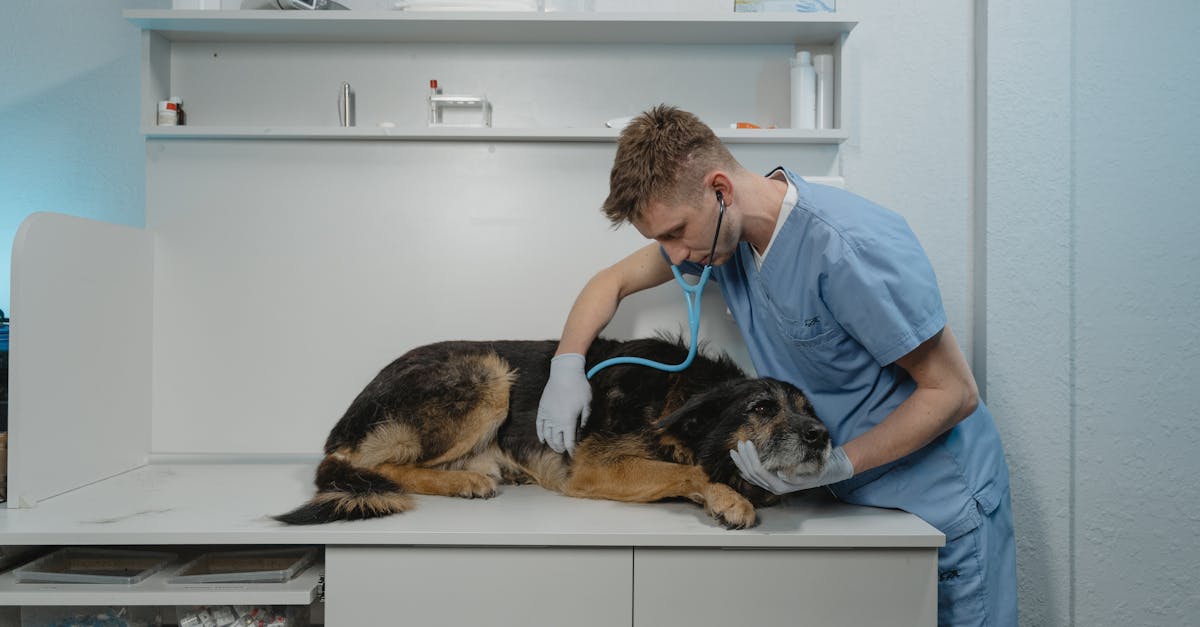
1. Up-to-Date Medical Records
- Keep copies of vaccination records, medical history, and veterinarian contact information.
- Use a waterproof folder or digital backup to protect these records.
2. Essential Medications
- Maintain a two-week supply of any prescription medications.
- Ensure medications are stored in original containers with clear labels.
3. Flea, Tick, and Heartworm Preventatives
- Emergencies don’t pause regular care regimes; ensure continuity of preventatives.
- Pack extra applications to avoid interruption.
Ensuring Psychological Well-being

Pets are highly sensitive to changes in their environment and routine. Beyond physical safety, their psychological well-being needs attention. Here are some strategies to help:
Establishing a Routine
- Maintain feeding and exercise schedules as closely as possible to normal routines.
- Familiar routines provide a sense of normalcy and security.
Safe Zones
- Designate a safe, quiet area where your pet can retreat.
- Use comfort items like their bed or favorite blanket.
Quote: “During stressful times, maintaining a pet’s routine can help mitigate anxiety and promote a sense of safety.” – ASPCA
Engagement and Interaction
- Spend time with your pet, engaging in activities they enjoy.
- Physical affection and reassuring words can help alleviate stress.
Emergency Training for Pets
Training your pets for emergencies can significantly increase their chances of staying safe.

Basic Commands
- Ensure pets respond to essential commands like “Come,” “Stay,” and “Sit.”
- Practice these commands regularly to reinforce positive behavior.
Leash and Crate Training
- Familiarize pets with being on a leash or in a crate.
- Practice calm and patient methods to reduce resistance and anxiety.
Fact: Training your pet for emergencies not only helps during crises but also strengthens the bond you share.
Familiarization with Emergency Kit
- Allow pets to sniff and explore emergency supplies like carriers and first aid kits.
- This helps reduce fear or suspicion during actual emergencies.
The Benefits of Being Prepared

Investing time and resources in preparing for emergencies has manifold benefits:
1. Reduced Stress
- Knowing you have a plan alleviates much of the mental strain on both you and your pet.
2. Increased Survival Rates
- Preparedness directly correlates with higher survival rates during disasters.
- Ready-made kits and plans facilitate swift and efficient evacuation or sheltering.
3. Better Health Outcomes
- Continuity in diet, medical care, and adherence to routines ensures pets remain healthy during disruptions.
4. Strengthened Human-Animal Bond
- The proactive care and concern shown during emergencies reinforce the bond between pet and owner.
- This mutual trust and reliance further enrich the relationship.
Taking the First Step
Preparedness is a proactive endeavor that starts with awareness and ends with action. Here’s how you can begin:

Assess Your Current Situation
- Evaluate your region’s susceptibility to various natural disasters.
- Consider your pet’s specific needs, including medical conditions and behaviors.
Build Your Emergency Kit
- Start with essential supplies and gradually add specialized items.
- Regularly update and replace expired items, keeping the kit current.
Create a Pet Emergency Plan
- Include evacuation routes, local animal shelters, and pet-friendly lodging.
- Share this plan with family members or friends who can assist.
Share Knowledge
- Educate fellow pet owners about the importance of emergency preparedness.
- Sharing resources and knowledge can benefit a wider community.
Resource: For additional guidance, the American Red Cross offers comprehensive information on pet disaster preparedness.
Final Thoughts

Emergencies are unpredictable, but preparedness is a choice. Protecting our pets during these times speaks volumes about our dedication and responsibility. By understanding the critical supplies needed and the importance of a comprehensive plan, pet owners can ensure their beloved animals’ safety and well-being.
Take the time today to evaluate your emergency preparedness and make necessary adjustments. A little preparation can make a world of difference when it matters most, securing not just the lives but the hearts that beat alongside ours.
Remember, a prepared pet owner is a responsible pet owner. Make the commitment today and bring peace of mind to your household, knowing that your furry companions are ready for whatever may come. 🐾