

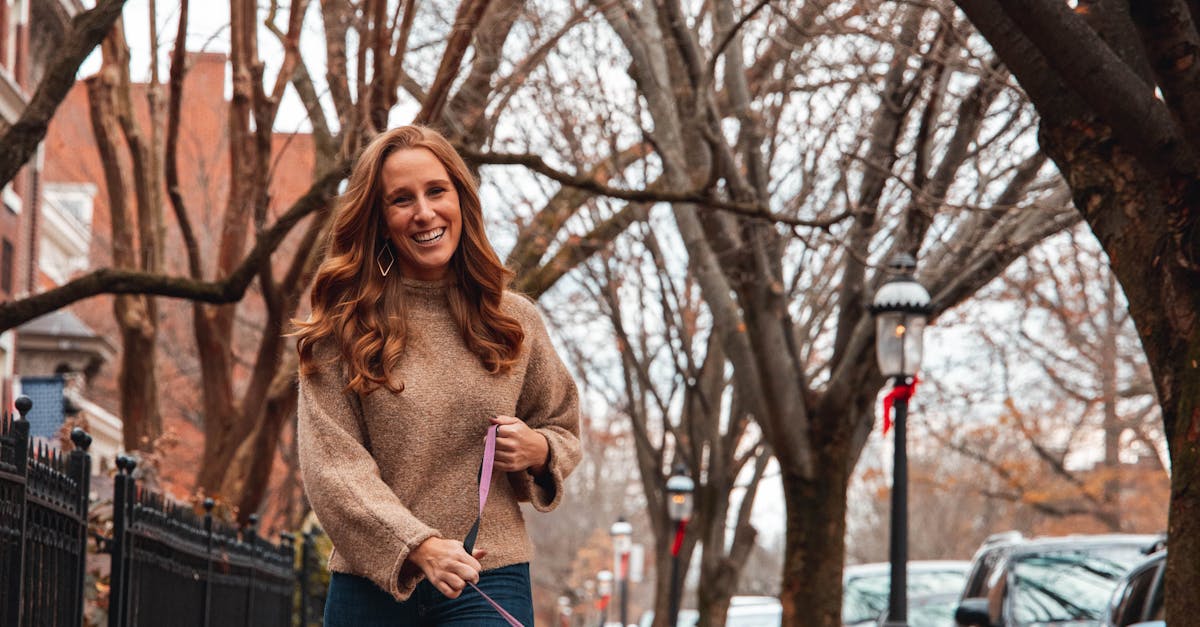
Choosing the right dog harness can feel overwhelming. With so many options on the market, how do you know you’re making the best choice for your furry friend? I’ve been there, struggling to find the perfect fit for my energetic Labrador. But after countless trials, research sessions, and lots of wagging tails, I’ve compiled a guide to help you make the best decision. 🌟
Why It Matters: The Impact of a Good Harness
Comfort and Safety
From the first time I walked my dog with his new harness, I noticed an immediate difference. Traditional collars always seemed to irritate his neck, especially when he pulled on the leash. But with a well-fitted harness, he seemed to prance more comfortably.
The right harness distributes pressure evenly across your dog’s chest and shoulders, reducing the risk of injury. Most importantly, it gives you better control without choking or harming your dog.
Training and Behavior
A good harness can also be a vital tool for training. If you have a dog that often pulls (like mine did!), a no-pull harness can work wonders. Instead of fighting for control, our walks became more relaxed, enjoyable, and even shorter since we weren’t constantly battling against each other.
Preventing Escapes
Have you ever had the heart-stopping moment of your dog slipping out of their collar? A harness can give you peace of mind. Many are designed with escape-proof features, ensuring your dog stays secure during your strolls.
Different Types of Harnesses: Find the Perfect Fit

The Classic Back-Clip Harness
The back-clip harness is likely the most common one you’ll encounter. It’s easy to put on and can be suitable for well-behaved dogs that don’t pull much.
Benefits:
- Simple to use
- Reduces strain on the neck
- Ideal for dogs with respiratory issues
Drawbacks:
- Doesn’t deter pulling
- Can give you less control
The Front-Clip Harness
Front-clip harnesses are great for training purposes. The leash attaches to the front, making it harder for dogs to pull you forward.
Benefits:
- Effective for training
- Better control over pulling
- Encourages better walking behavior
Drawbacks:
- Can be more complex to put on
- May encourage tripping
The Dual-Clip Harness
The dual-clip harness gives you versatility, offering both front and back attachment points. This was an immediate game-changer for me.
Benefits:
- Extremely versatile
- Provides multiple ways of control
- Great for both training and casual walks
Drawbacks:
- Potentially more expensive
- May be bulkier
The No-Pull Harness
Designed for dogs that have a habit of pulling, no-pull harnesses focus on reducing this frustrating behavior.
Benefits:
- Reduces pulling effectively
- Often features padded areas for added comfort
Drawbacks:
- Can be restrictive if not chosen well
- Requires proper fitting
The Vest-Style Harness
Vest-style harnesses offer maximum comfort, wrapping around the dog more extensively. These can be particularly useful for smaller breeds.
Benefits:
- Extremely comfortable
- Offers a snug fit
- Reduces the risk of escapism
Drawbacks:
- May be too warm in hot climates
- Usually bulkier
Specialized Harnesses
Sometimes, you need something unique. Reflective harnesses for night walks, swim-friendly ones for aquatic activities, and even options for specific breeds. We used a reflective harness during our late-night walks, and it was a blessing for visibility.
Key Features to Consider When Choosing a Harness
Material Quality

It’s crucial to pick a harness made from durable, high-quality materials. Nylon and polyester are robust choices. Check for reinforced stitching and solid metal rings.
Fit and Adjustability
I can’t emphasize enough how important it is to get the right fit. Measure your dog’s chest and neck before purchasing. Look for harnesses with multiple adjustment points; this ensures a snug, secure fit.
Padding and Comfort
If your dog has sensitive skin, padded areas can prevent chafing. Plus, comfort leads to happier walks! Always check for soft, breathable materials.
Attachments and Handles
Many harnesses come with extra features like handles. I found the handle extremely useful for lifting my dog into the car or giving him a quick correction during walks.
Ease of Use
When I first started using harnesses, the simpler ones won my heart. Struggling with complex mechanisms can be frustrating, so make sure the harness is easy to put on and take off.
Safety Features
Consider harnesses with built-in reflectors for night walks. Safety first! This was especially comforting for me during our dusk and dawn walks.
Price vs. Value
While it’s tempting to go for the cheapest option, investing in a quality harness can save you money in the long run. Look for reputable brands and read user reviews before making a decision.
How to Measure Your Dog for a Perfect Fit
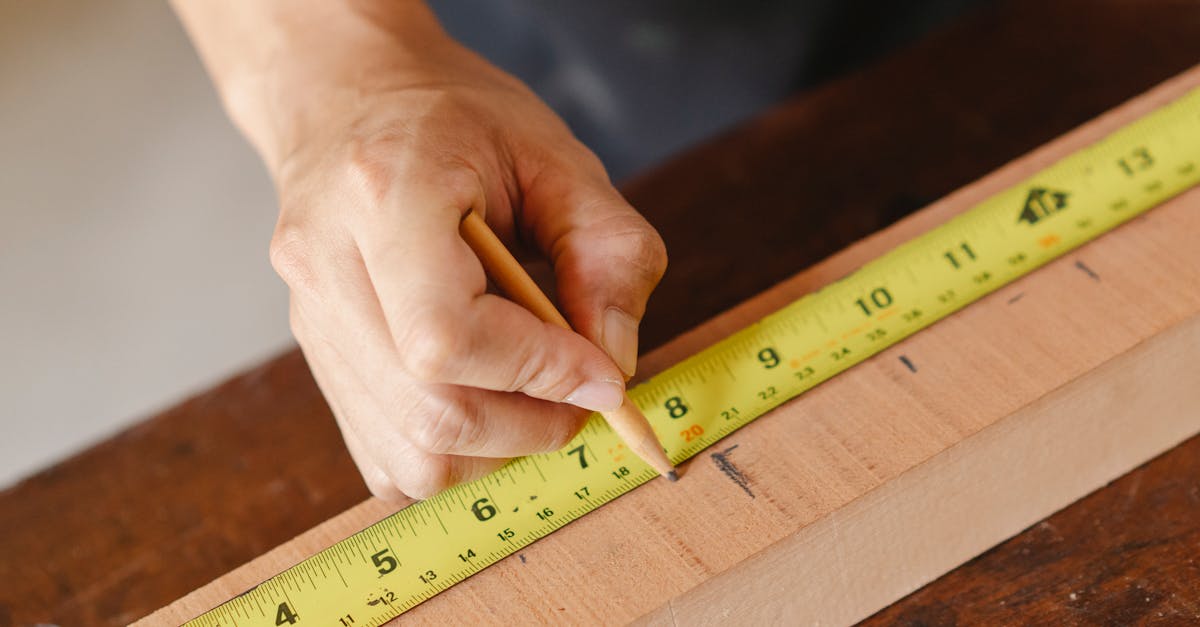
Tools You’ll Need
- A measuring tape
- A notepad for jotting down measurements
- Treats to keep your dog still 😄
Step-by-Step Guide
- Measure the Chest Girth: This is the most crucial measurement. Wrap the measuring tape around the widest part of your dog’s rib cage, usually behind their front legs. Make sure it’s snug but not tight.
- Measure the Neck Girth: Similar to measuring for a collar, wrap the tape around the thickest part of your dog’s neck.
- Double-Check the Measurements: An accurate fit is vital, so double-check your numbers.
- Reading Size Charts: Always refer to the manufacturer’s size chart. Sizes can vary across brands.
Testing and Adjusting: The Road to the Perfect Harness
Trial and Error
With my dog, it took a few trials to find the perfect fit. Don’t be discouraged if the first one isn’t perfect. Most reputable stores have return policies, so make use of them.
Checking for Comfort
After putting on the harness, check for any signs of discomfort. Make sure it’s not too tight or too loose. You should be able to slide two fingers between the harness and your dog’s body.
Walk Test
Take your dog for a short walk. Notice any unusual behavior or signs of discomfort. Adjust if needed. It took us a couple of short walks to get it just right.
Transitioning Your Dog to a Harness

Introducing the Harness
When I first brought a harness into the house, my dog was curious but wary. Introduce the harness slowly, letting your dog sniff it and become familiar with its presence.
Positive Reinforcement
Use treats and praise to create positive associations with the harness. Reward your dog for being calm and cooperative when you put it on.
Short and Fun Sessions
Initially, keep the harness on for short periods, gradually increasing the duration as your dog gets more comfortable. Use playtime or short walks to make the process enjoyable.
Consistency is Key
With patience and consistency, most dogs adjust quickly to wearing a harness. If your dog seems anxious, go back a step and take it slower. Patience pays off!
Harness Maintenance: Keeping it Clean and Functional

Routine Cleaning
Regularly wash your dog’s harness to keep it clean and free from bacteria or odors. Follow the cleaning instructions specific to the material. We wash our harness bi-weekly.
Inspect for Wear and Tear
Routinely inspect the harness for signs of wear and tear, such as fraying or weak spots. Replace it if you notice any damage to ensure your dog’s safety.
Storing the Harness
When not in use, store the harness in a dry, safe place. Avoid leaving it in direct sunlight for prolonged periods to prevent material degradation.
Your Next Steps Towards a Happier Walk 🐾

Choosing the perfect harness isn’t just about picking a product off the shelf; it’s about enhancing the bond between you and your dog. A good harness can make walks safer, more comfortable, and more enjoyable for both of you.
Action Plan
- Measure Your Dog: As mentioned, get those measurements accurate.
- Research and Purchase: Use your measurements to find a harness that fits your dog’s needs.
- Introduce with Patience: Follow the steps to ensure your dog feels comfortable with the new gear.
- Enjoy Your Walks: Relish the improved walking experience, and keep an eye out for any necessary adjustments.
Final Thoughts
The journey to finding the right harness may take a little time, but the rewards are worth it. Each dog is unique, and what works for one may not work for another. Believe me, once you find that perfect harness, your walks will never feel the same again. 😍
For further reading, you might find these resources helpful:
Thank you for joining me on this journey! May your walks be filled with joy, safety, and wagging tails. 🐶🚶♂️💕