


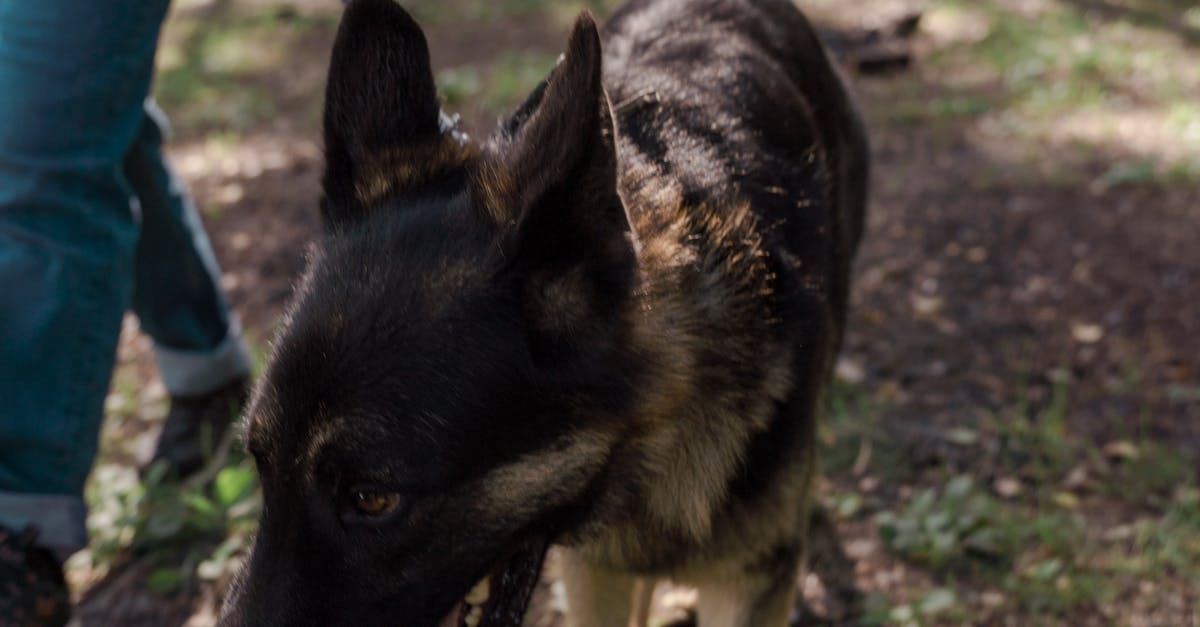
When Your Furry Friend Goes Missing: An Introduction
From what I’ve seen, losing a pet is one of the most distressing experiences a pet owner can face. Dogs, in particular, are not just pets; they are family members. So, when your dog leaves home and doesn’t return, it’s natural to feel a mix of anxiety, sadness, and helplessness. The thing is, knowing what steps to take can significantly increase the chances of a happy reunion. Here’s a comprehensive guide to help you navigate this challenging situation.
Immediate Actions: The First 24 Hours

1. Stay Calm and Act Quickly
The truth is, the initial hours after your dog goes missing are crucial. Panic can cloud your judgment, so it’s essential to stay calm. If I had to guess, your dog might not have gone far, and quick action can make all the difference.
2. Search the Immediate Area
Start by thoroughly searching your home and yard. Dogs can sometimes hide in unexpected places. If you’re like me, you might have experienced this: pets can squeeze into the smallest nooks and crannies. Check under beds, in closets, garages, and sheds. Call out their name and listen for any sounds.
3. Expand Your Search
If your dog is not found at home, begin searching the surrounding neighborhood. Bring along a flashlight, even if it’s daytime, to check under porches and bushes. I’ve noticed that dogs often follow their nose, so they might have wandered off chasing a scent.
4. Notify Neighbors and Passersby
Speak to your neighbors and anyone you encounter during your search. Show them a recent photo of your dog and ask if they’ve seen anything. It’s worth mentioning that community involvement can be incredibly effective in locating a lost pet.
Mobilizing Resources: Leveraging Technology and Community
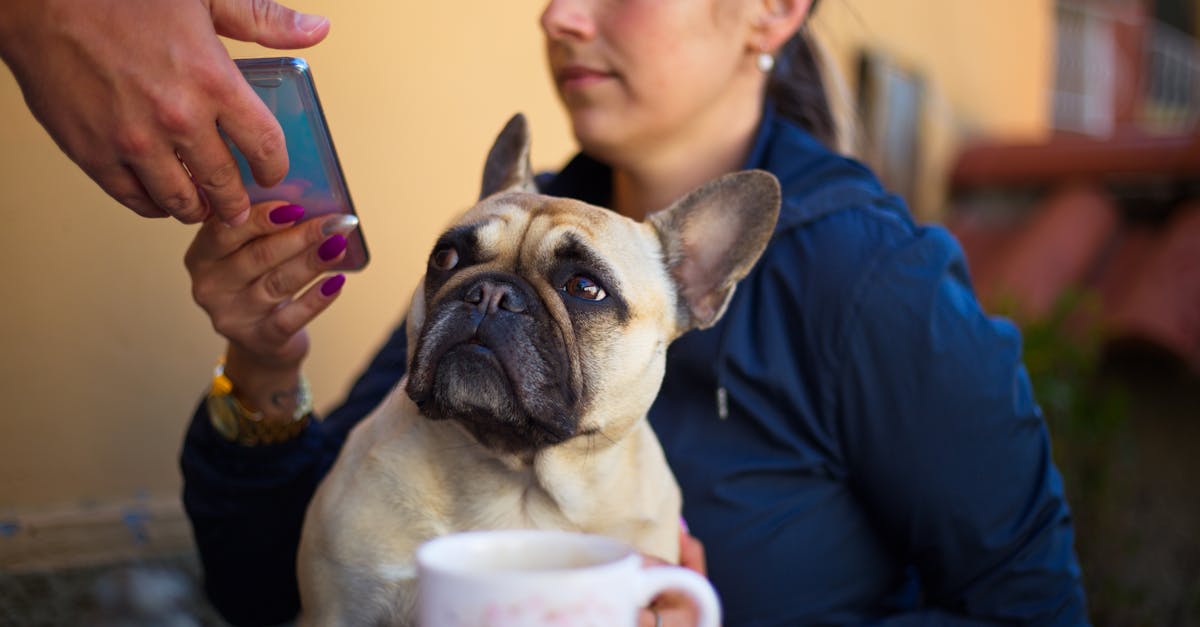
1. Utilize Social Media
Create a post on social media platforms like Facebook, Instagram, and Twitter. Include a clear photo of your dog, a description, and your contact information. Local community groups and lost pet pages can amplify your reach. Let me tell you, social media can work wonders in spreading the word quickly.
2. Use Pet Recovery Apps and Websites
Several apps and websites specialize in reuniting lost pets with their owners. Websites like Petfinder and Lost My Doggie allow you to post information about your missing dog. Here’s a thought: the more platforms you use, the higher the chances someone will spot your pet.
3. Flyers and Posters
Create eye-catching flyers with a recent photo of your dog, their name, breed, color, and any distinguishing features. Include your contact information and offer a reward if possible. Post these flyers in high-traffic areas like grocery stores, parks, and community centers. I’ve always thought that physical flyers still hold significant power in local searches.
Expanding the Search: Beyond the Immediate Vicinity

1. Contact Local Animal Shelters and Veterinary Clinics
Report your missing dog to local animal shelters, rescue organizations, and veterinary clinics. Provide them with a detailed description and a recent photo. Speaking from experience, shelters often receive stray animals, and your dog might end up there.
2. Enlist the Help of Professional Pet Trackers
In some cases, hiring a professional pet tracker can be beneficial. These experts use trained dogs to follow the scent trail of your missing pet. While this might sound strange, it’s a highly effective method, especially if your dog has been missing for several days.
3. Check Online Classifieds and Lost & Found Sections
Regularly monitor online classifieds like Craigslist and local community boards. Sometimes, well-meaning individuals might find your dog and post about it online. I for example, once found a lost pet through a simple Craigslist ad.
Maintaining Hope: Keeping Your Spirits Up

1. Stay Positive and Persistent
It’s common knowledge that pets can return home days or even weeks after going missing. Don’t lose hope. Continue to search, update your social media posts, and check with shelters regularly. Here’s a story: a friend of mine found her dog three weeks after it went missing, thanks to persistent effort.
2. Take Care of Yourself
In my own life, I’ve noticed that stress and anxiety can take a toll on your health. Ensure you’re eating well, staying hydrated, and getting enough rest. If you’re exhausted, you won’t be able to search effectively.
3. Lean on Your Support System
Reach out to friends, family, and neighbors for emotional support and assistance in searching. I’ve been there, and having a support system can make a significant difference during such a stressful time.
Preventive Measures: Avoiding Future Incidents

1. Microchipping and ID Tags
Microchipping your dog is one of the most effective ways to ensure they can be identified if found. Make sure your contact information is up-to-date in the microchip registry. Additionally, always have your dog wear a collar with an ID tag. Ever wonder why some dogs are quickly reunited with their owners? It’s often because of these simple identification methods.
2. Secure Your Home and Yard
Ensure your home and yard are secure to prevent your dog from escaping. Check for gaps in fences and gates, and consider using locks if necessary. If you ask me, a secure environment is the first step in preventing a pet from wandering off.
3. Training and Supervision
Training your dog to respond to commands like “come” and “stay” can be life-saving. Supervise your dog during outdoor activities and always use a leash in unfenced areas. I’ve come to realize that a well-trained dog is less likely to run away.
Wrapping Up: The Path Forward
It hit me that losing a pet is a heart-wrenching experience, but taking the right steps can significantly improve the chances of a happy reunion. From immediate actions to leveraging community resources and maintaining hope, each step is crucial. You might find this helpful: staying calm, persistent, and proactive can make all the difference.
In summary, remember to:
- Act quickly and search thoroughly
- Utilize social media and pet recovery platforms
- Create and distribute flyers
- Contact local shelters and veterinary clinics
- Consider professional pet trackers
- Stay positive and take care of yourself
- Implement preventive measures for the future
If you’ve found this guide helpful, please share it with others who might be facing a similar situation. The more informed we are, the better we can protect and reunite with our beloved pets. 🐾